
Tuscaloosa County Arrest Records and Charges
Tuscaloosa County arrest records begin on the law-enforcement and booking side. The Tuscaloosa County Sheriff's Office operates the county jail and its Who's in Jail search. Sheriff Ron Abernathy oversees the office. A booking entry reflects custody at that point; it does not establish what the District Attorney later files or how a court resolves the case.
After arrest, the prosecution decision moves into a court charge record. District Attorney Hays Webb serves the Sixth Judicial Circuit. Formal counts are filed and maintained through the Circuit Clerk's District or Circuit Court divisions. The Tuscaloosa County inmate search addresses current jail custody, while the full criminal case record follows pleas, motions, disposition, and sentence.
Find Tuscaloosa Arrest Records and Charges
Start with the source that matches the question. Use the sheriff's captcha-protected Who's in Jail tool for current local custody. Use Alacourt or Just One Look for District and Circuit Court charges. Use the county docket for scheduled settings, then call the Circuit Clerk when the electronic docket omits a case or a certified copy is needed.
- Check the TCSO custody tool by last name and arrest date when booking is the question.
- Open Alacourt for the court case, or use the Tuscaloosa docket for a setting date.
- Confirm the defendant, case number, court, and each filed charge.
- Read every count's current status and disposition rather than the arrest label alone.
For state prisoners, the ADOC inmate search is separate from county arrest records and covers people currently incarcerated by ADOC.
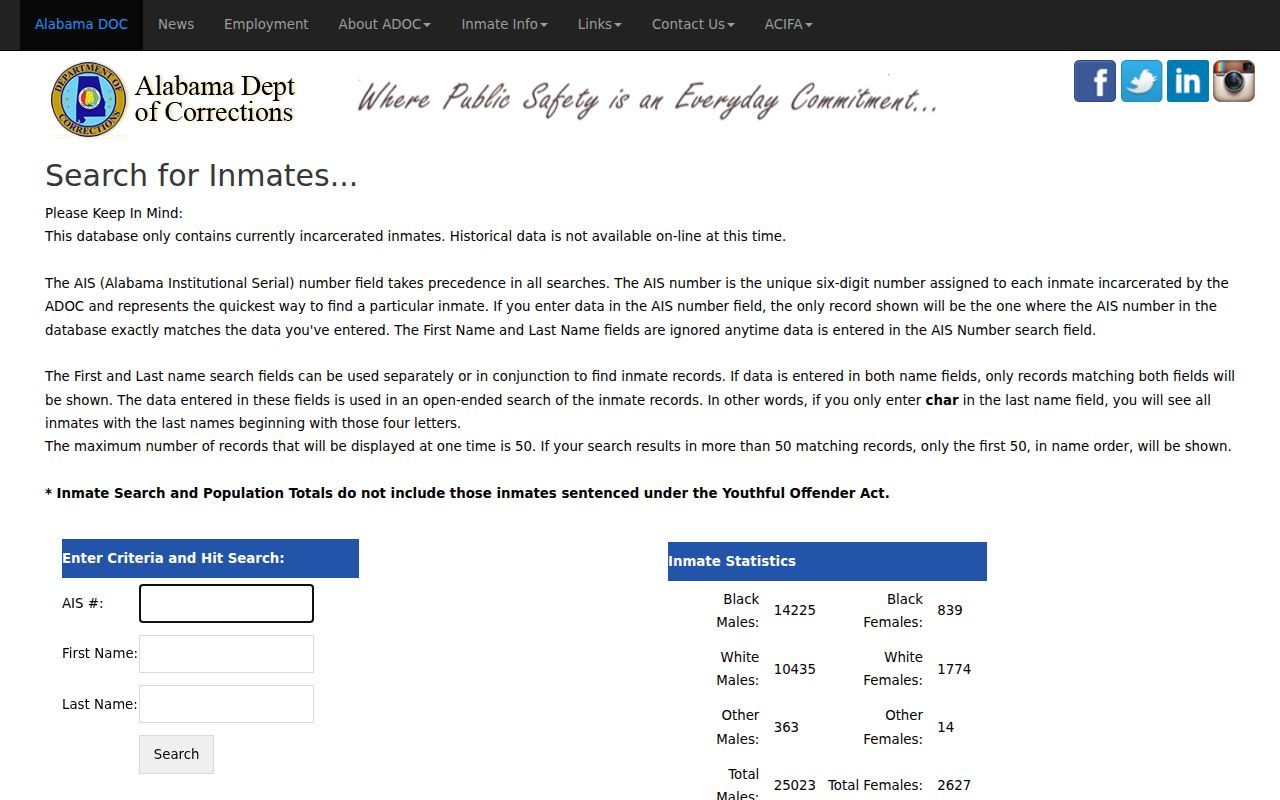
The state form accepts an AIS number or name and does not supply a Tuscaloosa County court disposition.
Tuscaloosa Charging Documents
The charging document turns an alleged offense into a court matter. A complaint states a charge at an early stage. An information is a prosecutor-filed charging document where that path is permitted. An indictment is returned by a grand jury and is central to many felony prosecutions moving into Circuit Court. The actual filed document controls.
| Complaint | Information | Indictment | |
|---|---|---|---|
| Filed By | Officer / Prosecutor | Prosecutor | Grand Jury |
| Record role | States initial allegations | States prosecutor-filed allegations | States grand-jury charges |
| Read next | Later charge status | Later charge status | Arraignment, plea, and disposition |
Tuscaloosa County Charge Status
Court charges after arrest can change. A prosecutor may amend or reduce a count, add another count, or decline to proceed. A judge may dismiss a charge. One arrest can produce several counts with different outcomes, so the newest docket and disposition matter more than the first booking description.
| Status | What It Means |
|---|---|
| Pending | No final court outcome has been entered for that count. |
| Amended / Reduced | The allegation changed; read both the former and current count. |
| Dismissed | The court ended the count without a conviction on it. |
| Nolle Prosequi | The prosecutor declined to continue the count at that point. |
Tuscaloosa Charges vs Convictions
Being arrested or charged is not the same as being convicted. An arrest record reports law-enforcement action. A charge reports a formal allegation. A conviction records guilt through a plea or verdict. A sound check follows each charge to its final status and never describes an arrest as a proven offense.
| Charge | Conviction | |
|---|---|---|
| Stage | Accusation | Verdict or plea |
| Burden of Proof | Probable cause | Beyond reasonable doubt |
| Best verification | Current charge status | Disposition and judgment |
Tuscaloosa Restricted Arrest Records
Juvenile and youthful-offender records are restricted. Personal identifiers, grand-jury material, unexecuted warrants, investigative material, and expunged files may also be withheld. Alabama Code section 12-15-136 permits sealing of certain juvenile files when its conditions are met.
- Sealed record
- A file restricted from public view by law, rule, or court order; ask the court what access remains permitted.
- Expunged record
- An eligible record removed from ordinary public access after a petition and court order under Alabama Code section 15-27-1 et seq.
- Local filing route
- The Circuit Court criminal division receives eligible expungement petitions for charges filed in Tuscaloosa County.
The juvenile sealing statute states the legal conditions.
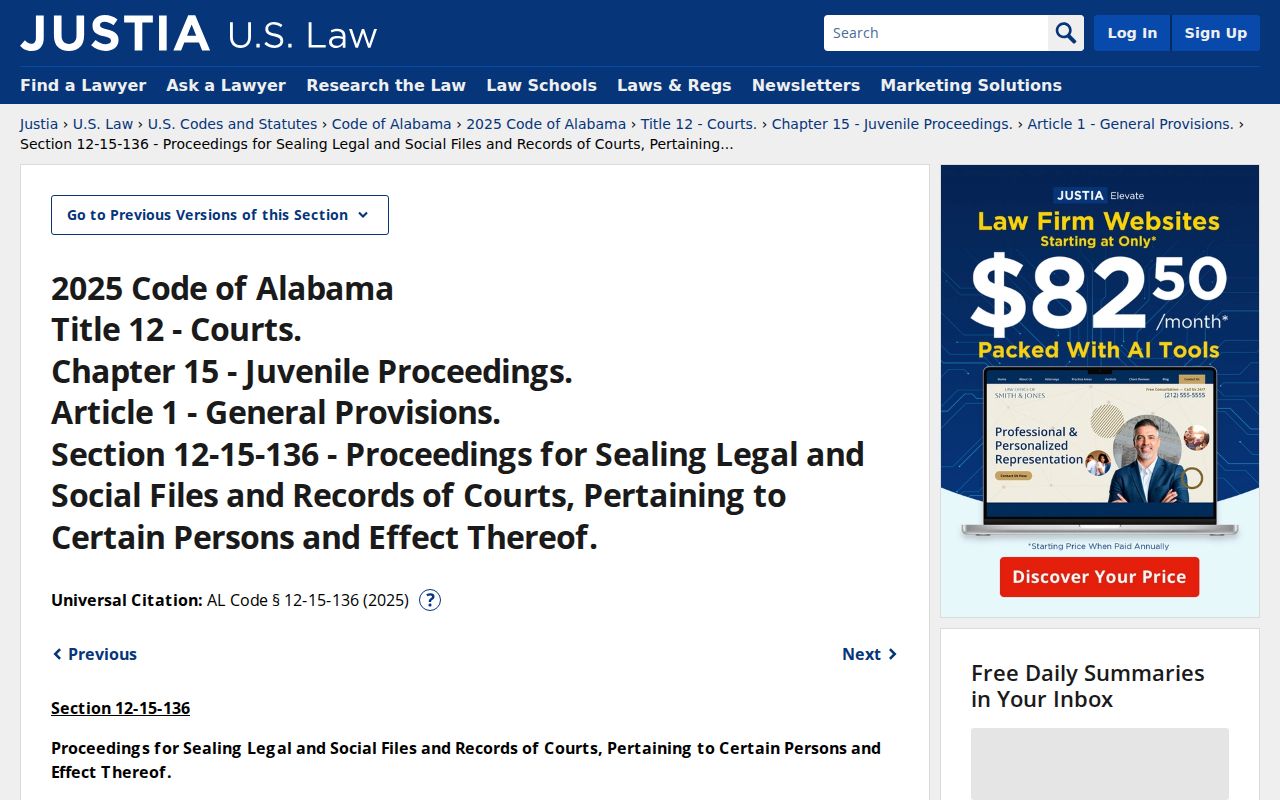
A missing juvenile result cannot be treated as proof that no file exists.
Tuscaloosa Charge Codes and Courts
Charge text should be read with the cited offense, court level, and status. District Court handles lower-level criminal matters and preliminary activity. Circuit Court handles felony proceedings. Municipal courts handle city ordinance matters and certain misdemeanors. One booking may lead to several separately coded counts.
Alabama Records Beyond Tuscaloosa Charges
The ADOC public-records contact is the agency fallback for state corrections material not shown online.
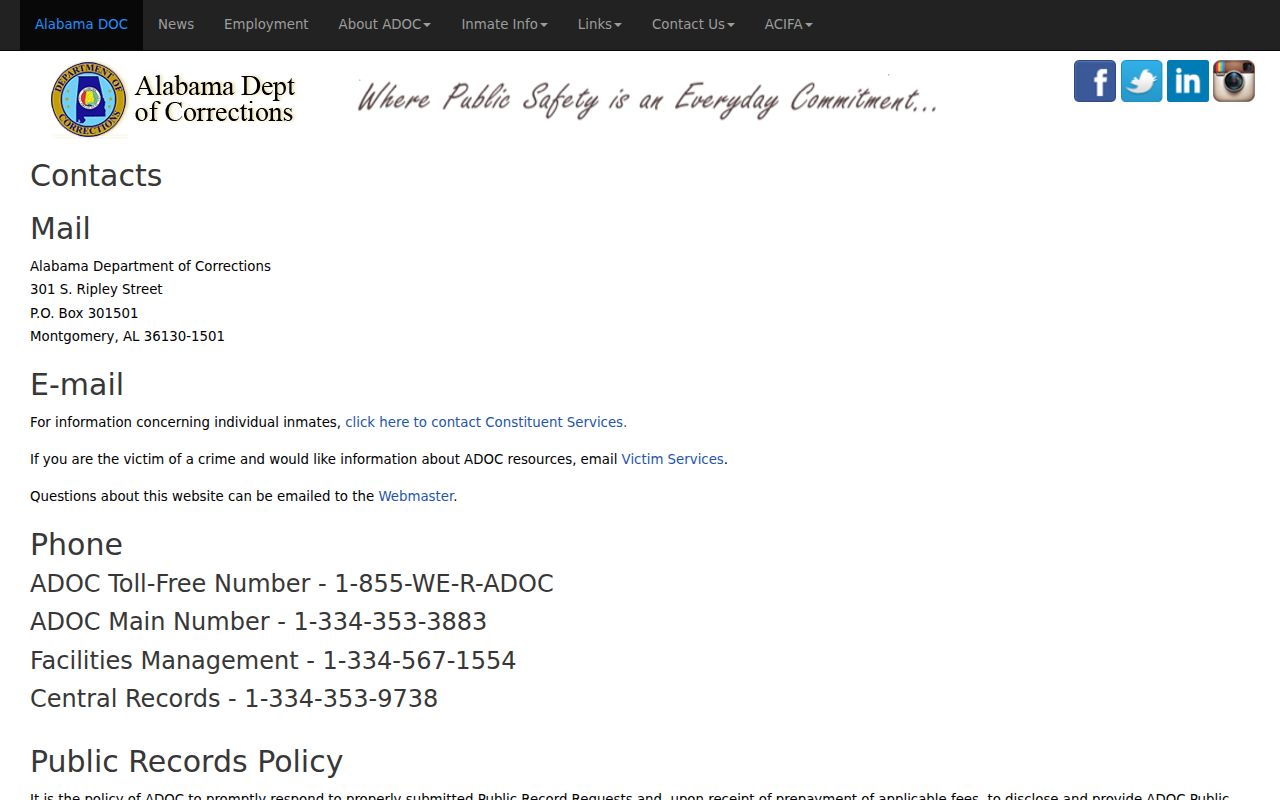
Corrections records do not replace a Tuscaloosa County court disposition.
The ALEA registry explanation describes a separate public-safety dataset.
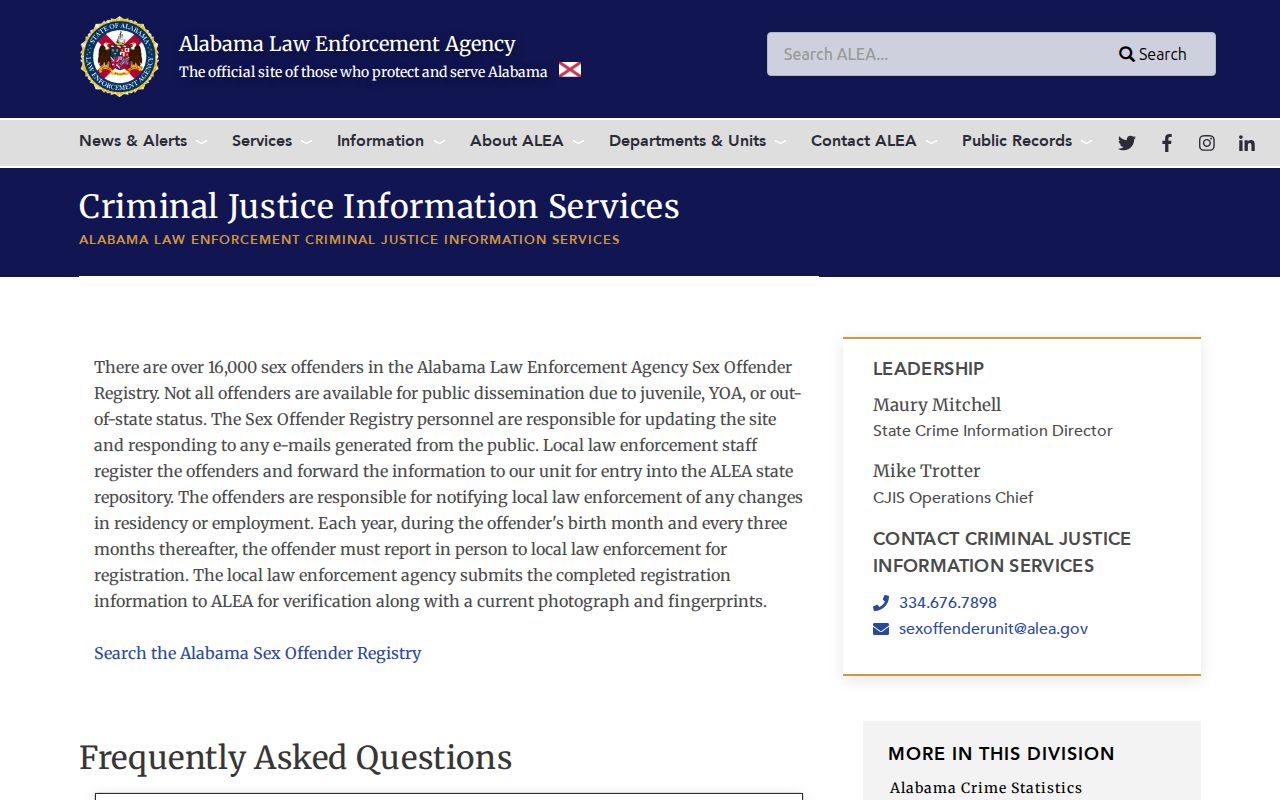
Registry status is not proof of a new arrest or a substitute for a court file.
The ALEA Community Information Center is its public search channel.
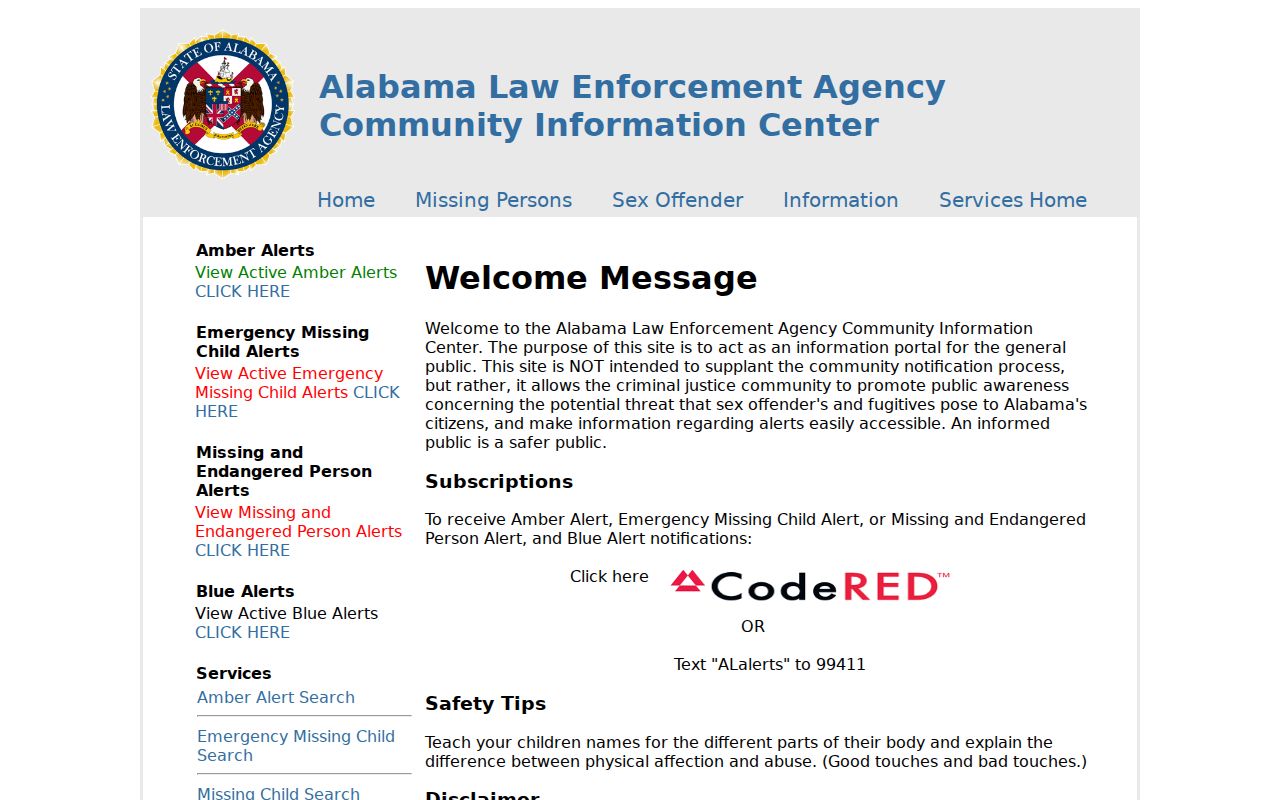
ALEA notes that some offender information is not publicly disseminated because of protected status.
Tuscaloosa Arrest Record Use Limits
A public-record lookup is not an FCRA-compliant consumer report. Names can match, arrest labels can change, and outcomes may post later. Verify identity and final disposition with the originating agency and court.
Important: Do not use these public pages for employment, housing, credit, insurance, or another FCRA-regulated eligibility decision.
Request Tuscaloosa Charge Records
Contact Circuit Clerk Magaria H. Bobo at 714 Greensboro Avenue, Room 214, Tuscaloosa, Alabama 35401, phone (205) 464-8259, for court records and certified copies. For prosecution-office records, the DA has a web request form. Its policy lists juvenile, youthful-offender, grand-jury, criminal-history, unexecuted-warrant, expunged, and investigative material among possible exceptions.
Alabama Code sections 36-12-40 and 36-12-41 support access to public writings, subject to lawful limits. Rule 30 of the Alabama Rules of Judicial Administration governs open court files and copies. A request may be denied, redacted, or delayed when a restriction applies.
The DA request channel is not the same as an Alacourt search. Its web form asks for the requester's name, email, phone, address, a detailed description, the purpose of the request, and a government-issued ID upload. The office may use the details to locate agency material and assess an exception. A person seeking a court-certified complaint, indictment, order, or case-action summary should still use the Circuit Clerk. The local clerk's online, phone, mail, and counter channels remain available when a docket entry is incomplete or when authentication matters.
Custody status can also change faster than a court record. TCSO's Who's in Jail tool is designed for current county custody and requires captcha verification. The official sheriff app advertises recently arrested information as a mobile option. ADOC is for current state prisoners. Those systems answer different questions, and none should be read as a complete list of every Tuscaloosa County arrest in history.
The official Tuscaloosa County Sheriff app adds another arrest-side access channel. Its iOS and Android listings advertise recently arrested people, active warrants, most wanted profiles, local registered sex offenders, recent crime reports, anonymous tips, alerts, and office calling. The website's jail and warrant tools require human verification, so the app may be easier on a phone. Its results still belong to the sheriff side of the record and do not replace the charge list or disposition filed in court.
TCSO's public Most Wanted profiles offer another limited view. Captured profiles show a name, gender, race, height, weight, hair, eyes, age, and charge summaries. They do not show the warrant number, issuing court, issue date, bond amount, or a final disposition in the list view. A profile can help identify the person sought by law enforcement, but it cannot establish conviction or reveal the full court-charge history.
The DA's local role also extends beyond filing charges. Its listed units include Victim Services, Child Support, Worthless Check, and Restitution Recovery, plus a Juvenile Division at a separate Tuscaloosa address. Those agency functions can create prosecution or service records that are distinct from the clerk-held case file. A request should be directed to the office that actually made or keeps the document.
When Alacourt shows multiple counts, compare the original filed charge, any amended count, the plea, the disposition, and the sentence. If only the county docket is available, remember that it is built around setting dates and an optional last-name field. The docket itself warns that some cases may not appear. Call the clerk when a missing case, same-name match, certification need, or unclear disposition prevents a reliable reading.
Municipal arrest-to-charge paths must also be kept separate. Tuscaloosa Municipal Court hears city traffic violations, ordinance offenses, parking matters, red-light citations, and certain misdemeanors. Northport Municipal Court maintains its own city cases. A person may be booked through the county jail while the filed charge remains in municipal court. Check the arresting agency, citation, and court heading before choosing Alacourt or a city portal.
A certified disposition is the strongest answer when the legal outcome matters. Ask the clerk for the final judgment or case-action summary and provide the exact case number. If no case number is known, supply the full name, approximate filing or arrest date, and likely court. The clerk may require a written request and fee. Do not assume an uncertified screen print will be accepted for a legal filing.